The five minutes a day your child asks for.
Most learning apps get deleted inside a week. Tuttify spends the first few sessions working out what your child actually likes, then builds every lesson, story and exercise around it. Reading, math and science, five minutes at a time.
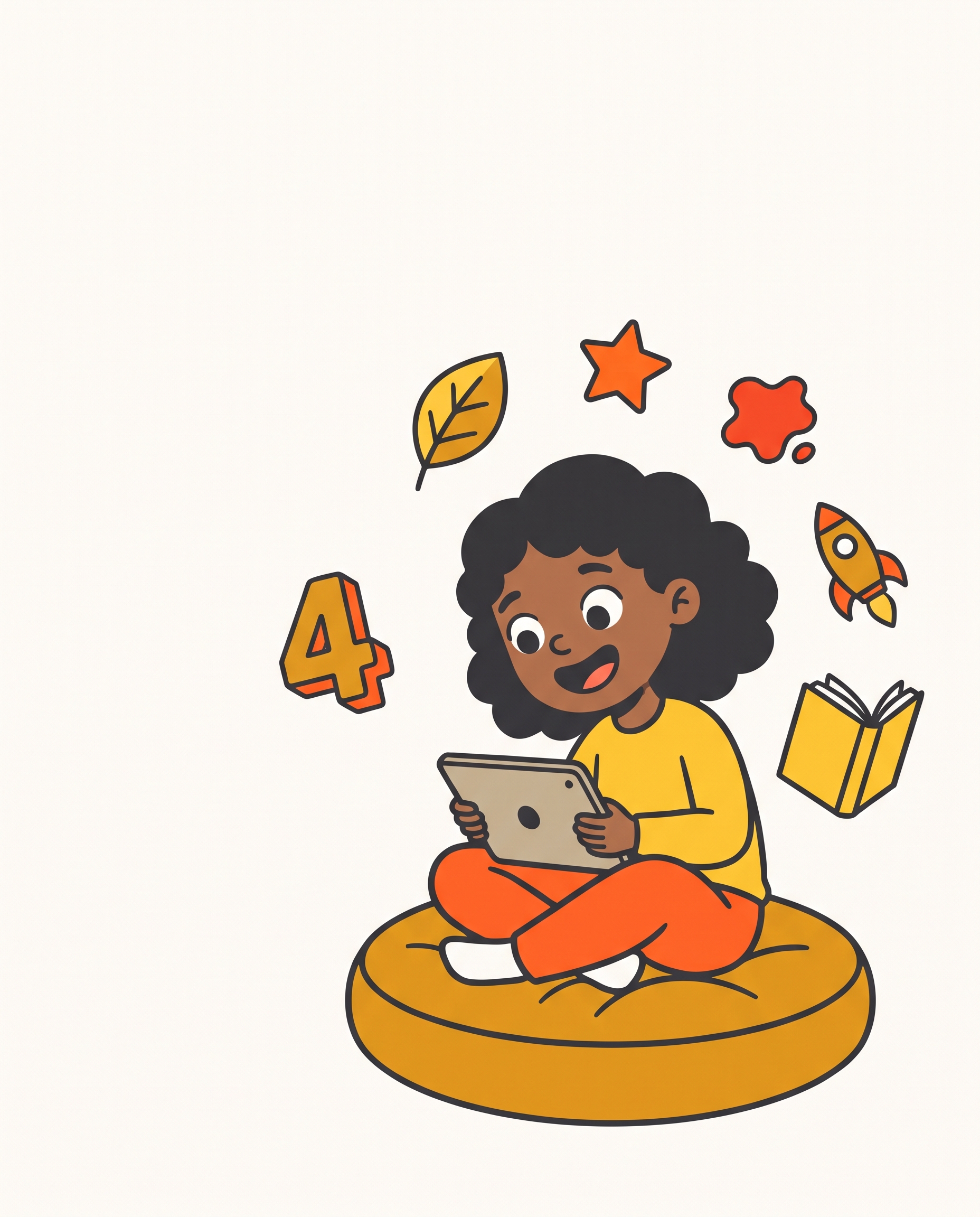
“Our daughters love watching videos on YouTube. I was amazed at how they both switched to Tuttify in a day.”
You're not competing with school. You're competing with YouTube.
You get about forty-five minutes of the evening before the resistance starts. A private tutor would solve it, for upward of two thousand dollars a month, plus finding a slot that survives soccer practice.
So you try an app. It looks like every other app: the same worksheet in a cartoon jacket, the same content for a child who loves dinosaurs and a child who loves drawing, and no honest way to tell whether any of it landed. A week later it's in the back folder with the other three.
The same lesson for every child, whatever actually holds their attention.
No straight answer on whether a single thing stuck past Friday.
Real personalisation has always meant a real tutor at a real hourly rate.
It learns your child before it teaches them.
Every child has a learning signature: the subjects that pull them in, the formats they stay with, and how long they can hold focus before it breaks. Tuttify's interest-discovery algorithm works yours out in the first sessions, then shapes everything that follows.
Short activities across every subject and format. At this stage we're watching what holds them, not grading them.
A picture of what engages your child, what they steer around, and how much they can carry in one sitting today.
Pattern-recognising AI serves the next lesson in the subject and format most likely to land. Weak spots come back later, dressed differently.
Spaced repetition brings each idea back just before it fades, flattening the forgetting curve instead of fighting it.
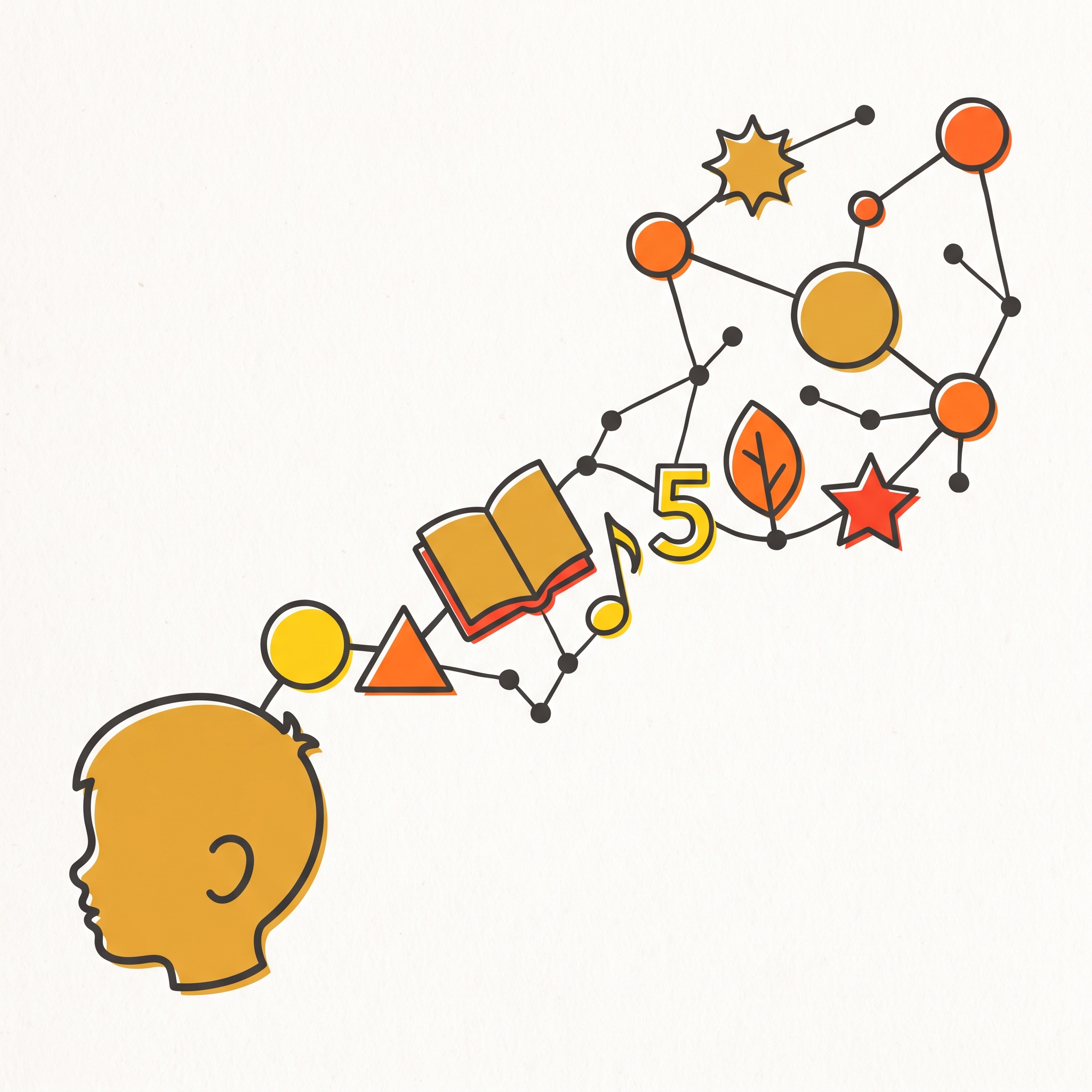
Microlearning and spaced repetition are long-established findings in cognitive science. Tuttify is built on them rather than around them.
Four ways in. Because not every child comes through the same door.
Thousands of five-minute microlessons across math, English, science, earth science and numbers. Written by practising teachers.
Narrated, illustrated and interactive. The way in for a child who will not sit still for a worksheet.
Open-ended creative activities. Also the one that works best over a video call with family.
Quick checks that feed the signature and show you exactly what is landing and what is not.
Short enough to finish before the resistance starts
The signature grows with them
Math, English, science, earth science, numbers
Lessons, stories, coloring and exercises
Grandma can teach the lesson from two thousand miles away.
Tuttify has a live video room built into the activity itself. Not a screen share. The lesson runs inside the call, so a parent, an aunt, a grandparent or a tutor sits on the other side, on the same page, at the same moment.
For families split across cities or countries, it turns “how was school?” into something you actually did together.
- Invite family onto your plan at no extra cost.
- Book a tutor for a small group of up to four children, or one to one.
- An activity cannot start or be joined unless a parent account is on it.
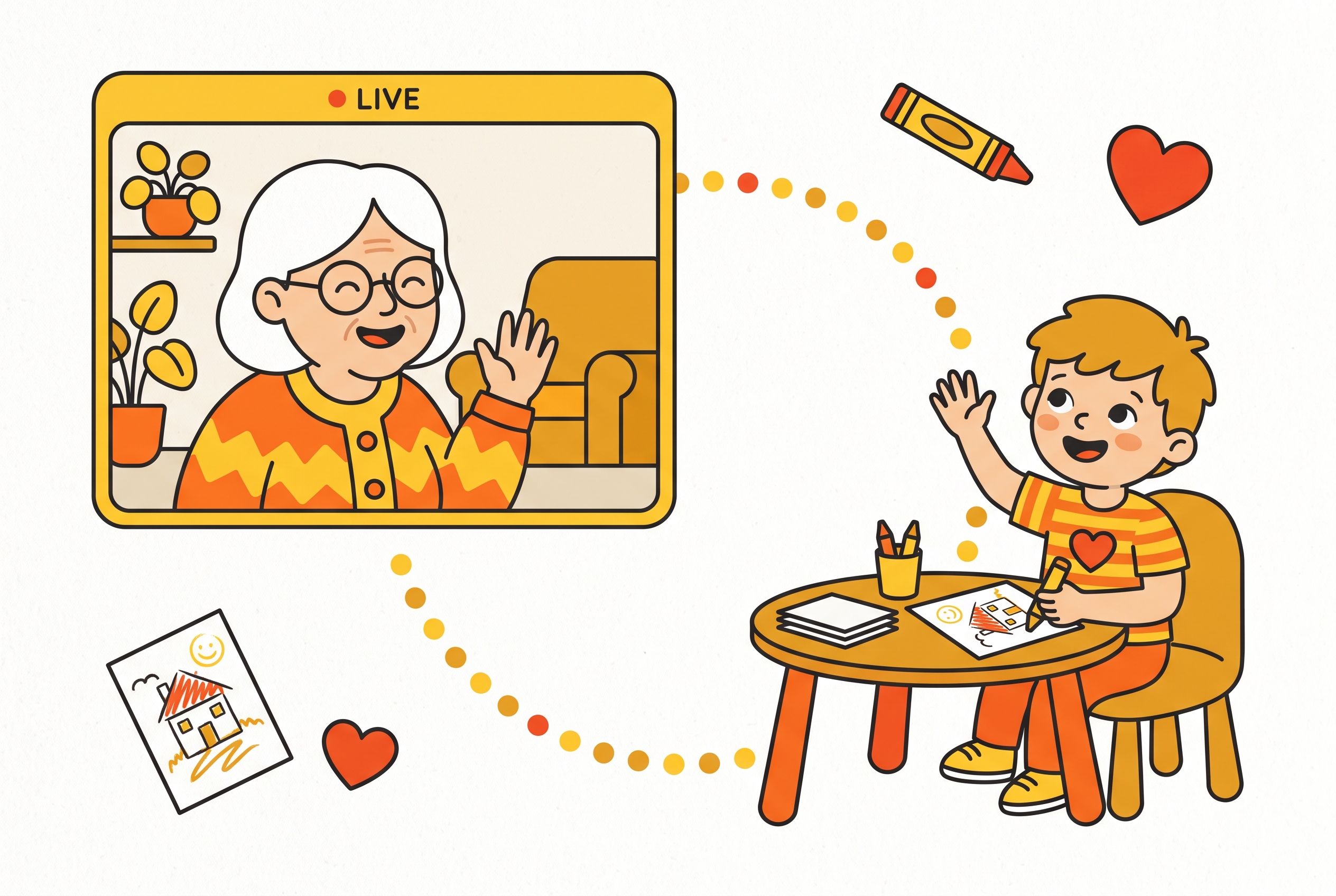
“He spends time every evening coloring with his grandmother over video calls. It is his favorite activity now.”
She switched from YouTube in a day.
“Our daughters love watching videos on Youtube, but I was amazed at how they both switched to Tuttify in a day. Since then, they only ask for this app. Now they do lessons daily, color pictures, and have even started learning counting in Spanish at four years old. I love that learning is now fun for both of them.”
“Our son is having a lot of fun playing with different characters in the app, and I was surprised to see how quickly he picked up counting using the app. He spends time every evening coloring with his grandmother over video calls. It is his favorite activity now.”
Teacher feedback has guided this from the start.
Every lesson on Tuttify is produced by a practising educator through Tutty Studios, and the teachers who build it also use it.
“The most comprehensive education platform I have evaluated to date with all features. I found others lacking. I love the ease of use and how fast I can create exercises with the tools and media they provide. It just feels easy.”
“I enjoy tutoring the kids in the video conferencing sessions and using gamified approach to learning. This keeps the kids engaged which helps me focus on the lessons.”
“The real-time analytics are so valuable to me as a teacher in order to help guide the student as well as to the parents, especially when I get backed up with 40 kids and grading takes longer.”
One month of tutoring. Or a whole year of Tuttify.
- Thousands of teacher-made microlessons
- Stories, coloring and exercises
- One student account
- Parent account included
- All family video activities
- 1 GB of secure storage
Book a session whenever you want one. Small groups of up to four children, or one to one. Sessions are booked with coins you buy inside the platform, so you only pay for the help you actually use.
McKinsey puts high-intensity tutoring at roughly $2,500 per student per year, and reports parents spending upward of $2,000 a month on tutoring.
Source: McKinsey & Company projections, based on studies by Educational Evaluation and Policy Analysis, EdResearch for Recovery Project and the Hamilton Project.
If they're not asking for it, you don't pay for it.
Give Tuttify thirty days. That is long enough to build your child's learning signature and to find out whether they go back to it on their own. If they don't, email us and we will refund the month in full. No forms, and no questions about why.
The things parents ask first.
Find out how your child learns.
Tell us their age and what you would most like help with. We will set up their first discovery sessions, and you will have a real read on your own child before the first month is out.